Oakland's dynamic terrain presents both opportunity and risk, making professional slope analysis and design a non-negotiable component of responsible land development. The 'Slopes' category encompasses the full engineering lifecycle of inclined ground, from initial soil erosion analysis to comprehensive stabilization measures. Given the city's location at the confluence of the Hayward Fault and the steep East Bay hills, understanding the mechanics of hillside stability is not merely a regulatory hurdle but a fundamental public safety imperative. Property owners, developers, and municipal agencies must contend with naturally unstable landforms that can threaten structures, roads, and utilities.
The local geology is dominated by the Franciscan Complex, a notoriously heterogeneous assemblage of greywacke sandstone, shale, serpentinite, and mélange. This ancient bedrock is often mantled by colluvial soils and expansive clay layers that are highly susceptible to moisture-induced strength loss. The area's Mediterranean climate exacerbates these conditions, concentrating rainfall into intense winter storms that saturate slopes and trigger failures. These geotechnical hazards are compounded by significant seismic risk; the Hayward Fault runs directly through the Oakland hills, and even a moderate earthquake can induce catastrophic landslides and liquefaction in marginally stable slopes. A thorough slope stability analysis must therefore account for both static groundwater pressures and dynamic seismic loading conditions unique to this seismically active region.
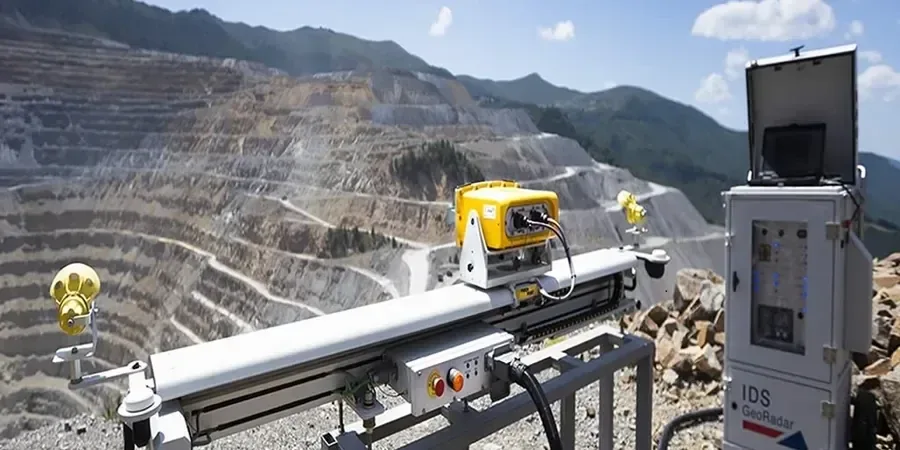
Regulatory compliance in Oakland and broader California is stringent, guided primarily by the California Building Code (CBC), which incorporates the latest International Building Code (IBC) provisions, and the California Geological Survey's Seismic Hazard Zone maps. Projects within mapped landslide or liquefaction zones require site-specific geotechnical investigations to quantify the factor of safety (FS) calculation against failure. Local ordinances, such as the Oakland Municipal Code and grading permit requirements enforced by the Bureau of Building Services, mandate minimum FS values—typically 1.5 for static conditions and 1.1 for seismic—before any construction can proceed. These regulations dictate that hillside development must not only protect the subject property but also avoid adverse impacts on adjacent sites, a critical consideration in densely built neighborhoods like Montclair or the Oakland Hills.
This category of services is essential for a wide array of project types. Residential developers seeking to build custom homes on view lots often require retaining wall design to create buildable pads and stabilize cut slopes. Infrastructure projects, such as roadway widening along Grizzly Peak Boulevard or pipeline installations traversing steep canyons, depend on slope stabilization design to prevent costly closures and repairs. Institutional expansions, like those on the Cal State East Bay campus, frequently trigger the need for debris flow analysis to protect life and property from fast-moving slurry during extreme rain events. From a simple backyard terrace to a major public works undertaking, a rigorous, data-driven approach to slope engineering is the foundation upon which safe and durable hillside construction is built.
Available services
Soil erosion analysis
→ Ver detalleSlope stability analysis
→ Ver detalleDebris flow analysis
→ Ver detalleFactor of safety (FS) calculation
→ Ver detalleSlope stabilization design
→ Ver detalleRetaining wall design
→ Ver detalleSheet pile wall design
→ Ver detalleLandslide assessment
→ Ver detalleGeotechnical slope monitoring (monthly)
→ Ver detalleFAQ
What are the warning signs of slope instability on my Oakland property?
Common indicators include fresh tension cracks in the ground or pavement, leaning trees or utility poles, bulging soil at the base of a slope, sudden appearance of springs or saturated ground, and sticking doors or windows in structures. In Oakland's Franciscan Complex terrain, these signs often appear after heavy winter rains and warrant immediate professional assessment.
How do local seismic hazards influence slope design requirements in Oakland?
Seismic shaking from the Hayward Fault can reduce soil shear strength and trigger liquefaction or cyclic softening in saturated slopes. Oakland's building codes mandate including pseudostatic seismic coefficients in stability models, typically requiring a minimum factor of safety of 1.1 under seismic loading. This often necessitates more robust stabilization measures than non-seismic regions would require.
What is the typical process for obtaining a grading permit for a slope project in Oakland?
The process begins with a geotechnical investigation to characterize subsurface conditions and analyze slope stability. The resulting report, demonstrating compliance with CBC and Oakland Municipal Code minimum safety factors, is submitted to the Bureau of Building Services alongside detailed grading and stabilization plans. Approval is contingent on the design's ability to protect both the site and adjacent properties from failure and drainage impacts.
Can vegetation alone stabilize a steep slope, or is engineered reinforcement always necessary?
While native vegetation provides excellent long-term erosion control and shallow soil reinforcement through root systems, it cannot remedy deep-seated instability. In Oakland's geologically complex hills, slopes with a static factor of safety below 1.5 typically require engineered solutions like retaining walls, soil nails, or tieback anchors to address the deeper failure surfaces that roots cannot reach.